When Metabolism, Hormones, & Stress Intersect


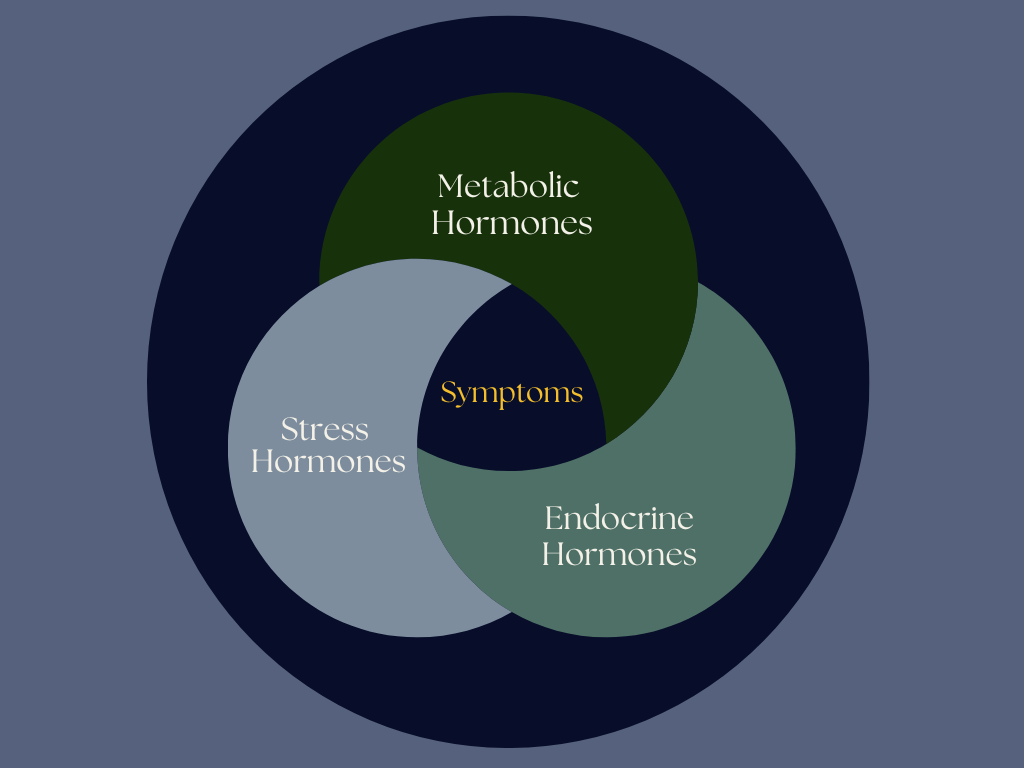
Our approach to metabolic and endocrine health is grounded in partnership, education, and systems-based care. Rather than focusing on a single diagnosis or isolated hormone, we look at how multiple regulatory systems interact — including insulin and glucose balance, thyroid signaling, adrenal function, cortisol patterns, and the body’s response to stress and inflammation.
We work collaboratively with you, valuing your lived experience and understanding of your own body. Instead of simply naming a condition, we help you understand the underlying patterns contributing to symptoms such as weight changes, fatigue, disrupted sleep, mood shifts, or hormonal transitions. This allows care to be thoughtful, personalized, and responsive over time.
For individuals who have tried repeated diets, medications, exercise plans, or are considering more aggressive interventions, we often recommend pausing to evaluate the broader metabolic and endocrine landscape first. A systems-based assessment can reveal opportunities for correction and support that may lead to more sustainable, long-term outcomes.
Because there is a better way!
When Metabolism & Hormones Fall Out of Sync
Metabolic and endocrine concerns often show up quietly at first — changes in weight, energy, sleep, mood, or how your body responds to stress. Over time, these patterns can become harder to ignore, especially during periods of hormonal transition such as perimenopause or menopause. Rather than viewing these symptoms in isolation, our Metabolic & Endocrine Program is designed to understand how metabolic, hormonal, and lifestyle factors interact and influence your overall health.
Using the functional medicine approach, we look beyond symptom suppression to identify contributing imbalances and patterns — including insulin regulation, thyroid function, hormonal signaling, inflammation, and stress physiology. Care is personalized and guided by thoughtful assessment, selected laboratory testing when appropriate, and ongoing support. This allows us to address concerns such as persistent weight challenges, fatigue, hormone imbalance, and metabolic dysfunction in a way that supports sustainable change rather than short-term relief of symptoms.


Rooted Transformations™
Rooted Transformations™ is a personalized, medically-guided program within our Metabolic & Endocrine Health services. Rather than focusing on weight alone, this program is designed to understand why your body responds the way it does - and to support meaningful change by addressing the metabolic, hormonal, neurological, and behavioral factors that influence weight, energy, health and resilience. This is not a quick-fix or calorie-driven approach. Rooted Transformations™ is structured to help your body regain metabolic flexibility, improve regulation, and support long-term sustainability.
Programs are offered in 3, 6 and 9-month formats, allowing sufficient time for assessment, intervention, and adaptation.
Rooted Transformations™ supports individuals seeking a Functional Medicine approach to weight management, metabolic health, and hormone-related weight changes.
Objective Progress Tracking
We use tools such as InBody body composition analysis & additional biometric assessments and physiologic screenings as indicated, to move beyond the scale. These data points allow us to track meaningful changes in fat mass, lean tissue, hydration, and metabolic trends — helping guide decisions for your progress over time.
Behavioral & Lifestyle Integration
Lasting metabolic change requires more than information. Rooted Transformations™ integrates ongoing wellness counseling to support habit formation, stress regulation, sleep patterns, and the emotional and neurological drivers that influence eating behaviors. This work focuses on awareness, adaptability, and resilience — not restriction or willpower.
Personalized Metabolic Nutrition
Nutrition recommendations are individualized based on metabolic patterns, health history, and selected assessments when appropriate. Rather than prescribing a single “diet,” we guide nutrition strategies that support blood sugar regulation, hormonal signaling, inflammation reduction, and metabolic efficiency — adjusting as your body responds.
Targeted Clinical Support (as indicated)
In some cases, additional support may be considered to help restore metabolic balance. This may include thoughtfully selected supplements or prescription therapies, including clinical peptides, based on individual needs, response, and clinical appropriateness. These tools are never the foundation of care, but may be used strategically as part of a broader, monitored plan.



Hormone Replacement Therapy
Hormonal changes can occur gradually with age or more abruptly during periods of stress, illness, or life transition.
When hormonal signaling becomes disrupted, it may affect energy, sleep, mood, metabolism, sexual health, and overall resilience. Our approach to Hormone Replacement Therapy (HRT) is individualized, measured, and grounded in careful assessment.
Prescriptive Options
Following an initial consultation and comprehensive review of laboratory testing, our nurse practitioner may prescribe hormone therapy in forms such as troches, topical creams, oral preparations, or injectables, depending on individual needs and tolerance. Based on current evidence and safety considerations, pellet therapy is not offered at this time.
Who can Benefit?
Hormone replacement therapy may be appropriate for individuals experiencing challenging menopausal or post-menopausal symptoms, low testosterone, thyroid or adrenal hormonal changes associated with fatigue, hair thinning, mood shifts, changes in libido, or sleep disruption. These symptoms often reflect broader endocrine and metabolic interactions, which is why hormone therapy is considered within the context of overall health rather than as a stand-alone solution.
How it Works
Hormone replacement therapy uses bioidentical hormones — compounds chemically identical to those produced by the body — to support hormonal balance when clinically appropriate. Therapy is personalized based on symptoms, health history, and laboratory findings, with the goal of supporting regulation rather than overstimulation. When imbalances are addressed thoughtfully, many individuals experience improvements in energy, sleep quality, mood stability, and overall well-being.